
Optimal Timing for Storm Restorations in Lancaster
Storm restorations are most effective when performed during periods of low weather activity, typically outside of storm seasons. In Lancaster, California, the optimal time for storm restorations is during late spring and early fall, when the weather is generally stable and dry. This allows for thorough repairs without the interruption of ongoing storms.
These seasons offer the best conditions for storm restoration work, with minimal rain and wind, reducing project delays.
Scheduling inspections and repairs soon after storms minimizes damage escalation and ensures safety.
Understanding local weather patterns helps determine the best times for restoration projects, avoiding peak storm months.
Planning restorations during dry periods allows for comprehensive work, leading to longer-lasting results.
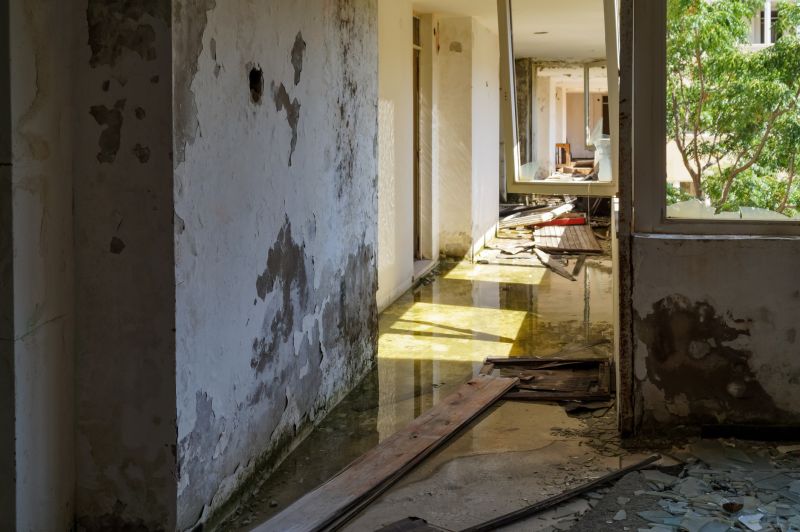
Damage assessment after storms
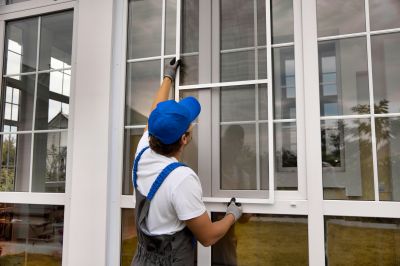
Quick response to storm damage
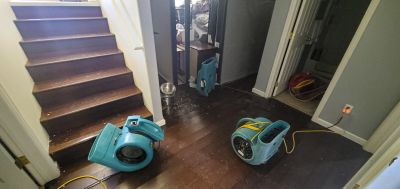
Tools used in storm repair
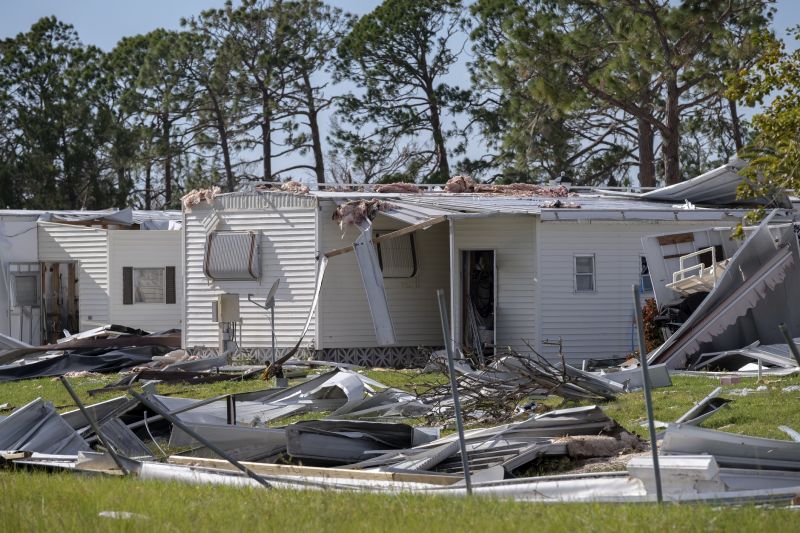
Popular materials for Storm Restorations and why they hold up over time.
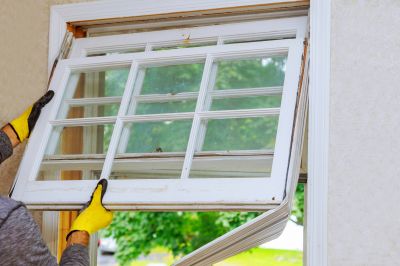
Simple add-ons that improve Storm Restorations without blowing the budget.

High-end options that actually feel worth it for Storm Restorations.
Storm restorations involve a comprehensive process of assessing damage, repairing structural elements, and restoring the integrity of affected properties. Proper timing ensures that repairs are completed efficiently, reducing the risk of further damage and minimizing downtime. In Lancaster, the frequency of storms can vary, but preparedness and timely action are critical for effective restoration.
Statistics indicate that performing storm restorations during dry, stable weather reduces project durations by up to 30%. Additionally, early intervention helps prevent secondary issues such as mold growth, wood rot, and structural weakening. Proper planning and seasonal timing are essential components of effective storm damage management.

Evaluating property after storms
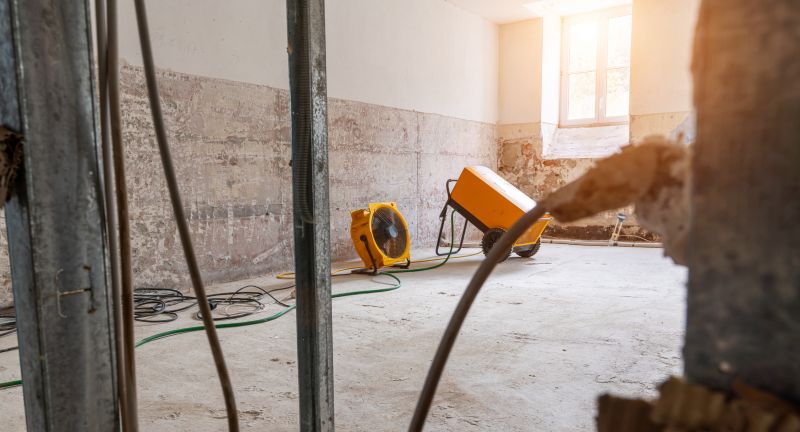
Tools used during repairs
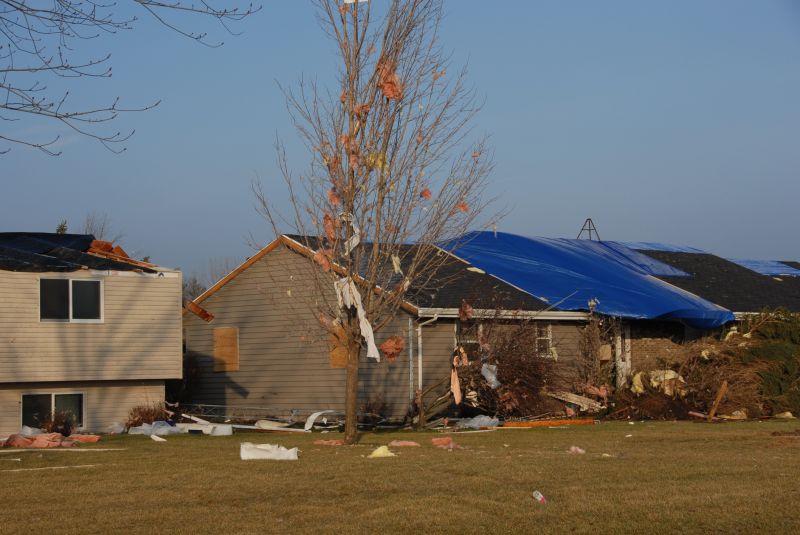
Completed storm damage repairs
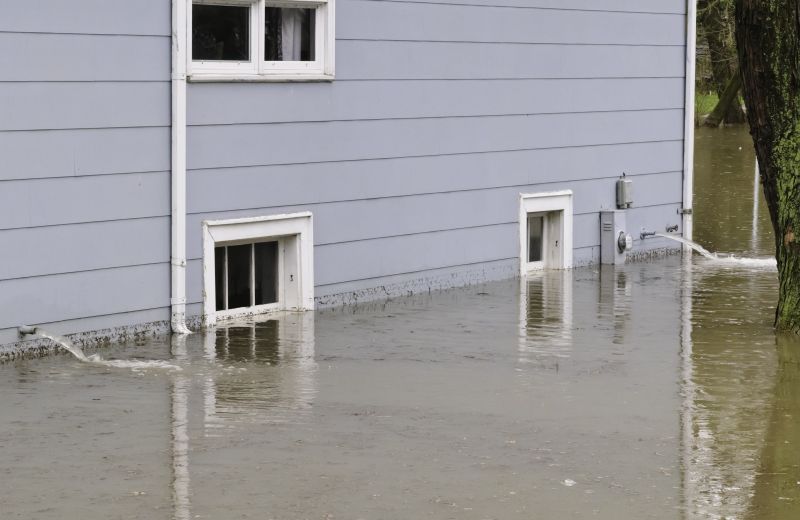
Protective measures against future storms
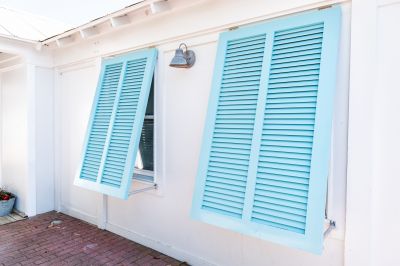
Finishes and colors that play nicely with Storm Restorations.
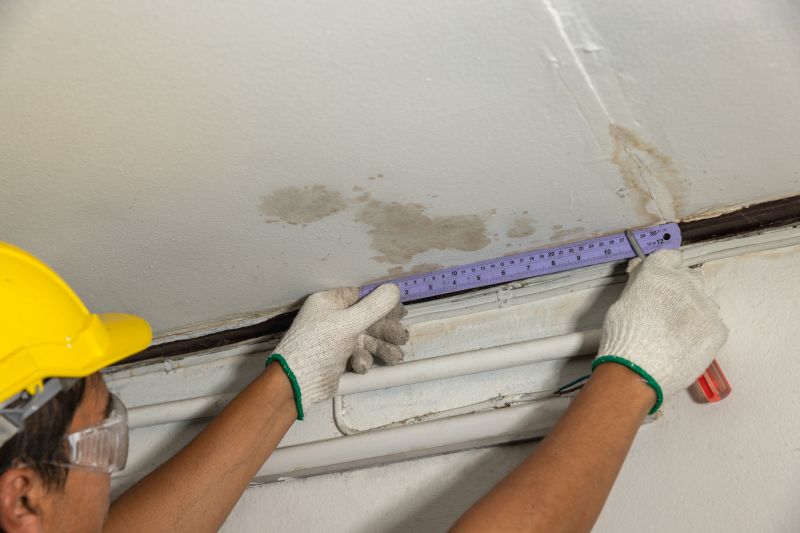
Little measurements that prevent headaches on Storm Restorations day.

A 60-second routine that keeps Storm Restorations looking new.
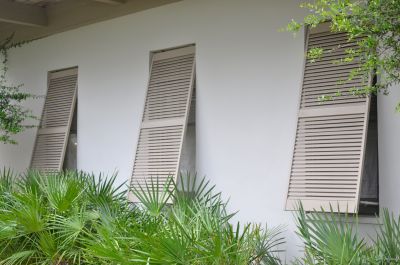
A frequent mistake in Storm Restorations and how to dodge it.
| Season | Optimal Restoration Period |
|---|---|
| Spring | Late March to May |
| Summer | June to August (preferably early summer) |
| Fall | September to November |
| Winter | Not recommended due to weather constraints |
For property owners in Lancaster, scheduling storm restorations during the recommended seasons ensures access to favorable weather conditions. This approach facilitates safer, more efficient repairs and helps maintain property value. Planning ahead and coordinating with restoration professionals can lead to better outcomes and reduced disruption.