
What to Expect During the Restoration Process
People seeking storm restoration typically want to repair storm damage efficiently, and local service providers can assess, restore, and ensure their property’s safety during the process.
Understanding what to expect during the restoration process can help property owners feel more prepared and confident when facing storm-related damage. This journey often involves several key phases, including damage assessment, cleanup, repairs, and final inspections. Local contractors who specialize in storm restoration are experienced in guiding clients through each step, ensuring the work is handled efficiently and thoroughly. Staying informed about the typical stages of restoration can make the experience less overwhelming and help property owners coordinate effectively with service providers.
For those in the area dealing with storm damage, knowing what lies ahead can also clarify the importance of working with experienced local service providers. These professionals are equipped to manage the complexities of restoration, from mitigating further damage to restoring the property’s safety and integrity. By understanding the process, property owners can better communicate their needs and expectations, making it easier to find the right team to handle their restoration needs with care and expertise.
- Roof Repair - needed when storm damage causes leaks or structural issues, with local contractors assessing and restoring roofing systems.
- Siding Replacement - required after hail or high winds damage exterior siding, with service providers restoring the home's appearance and protection.
- Window Restoration - necessary when storm impacts shatter or crack windows, with local pros replacing or repairing affected glass and frames.
- Water Damage Restoration - essential if flooding or leaks occur during storms, with local contractors removing water and drying affected areas.
- Gutter and Drainage Repair - needed when storm debris clogs or damages gutters, with service providers restoring proper drainage to prevent future issues.
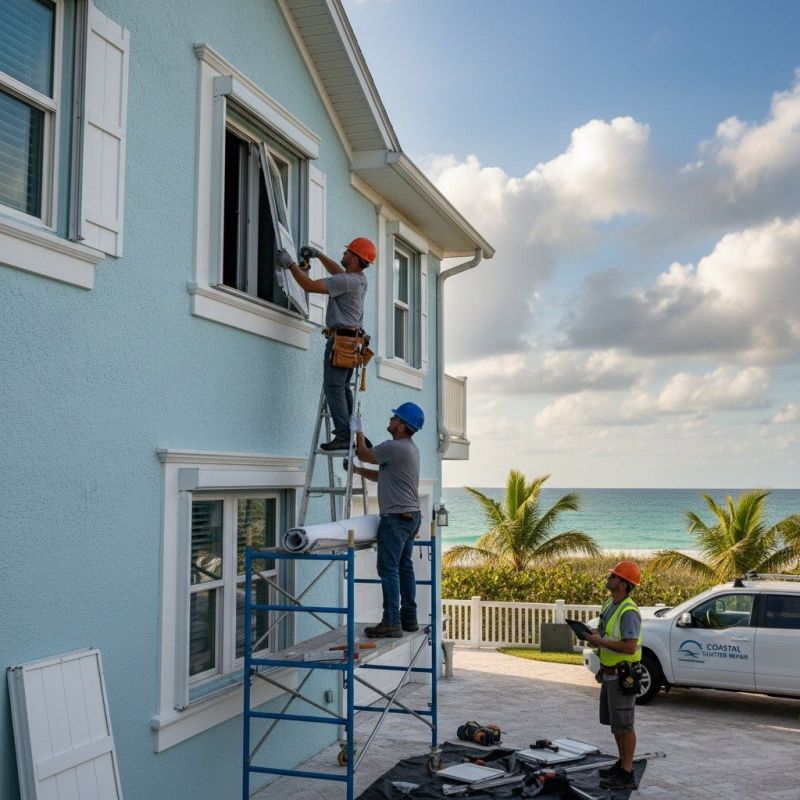
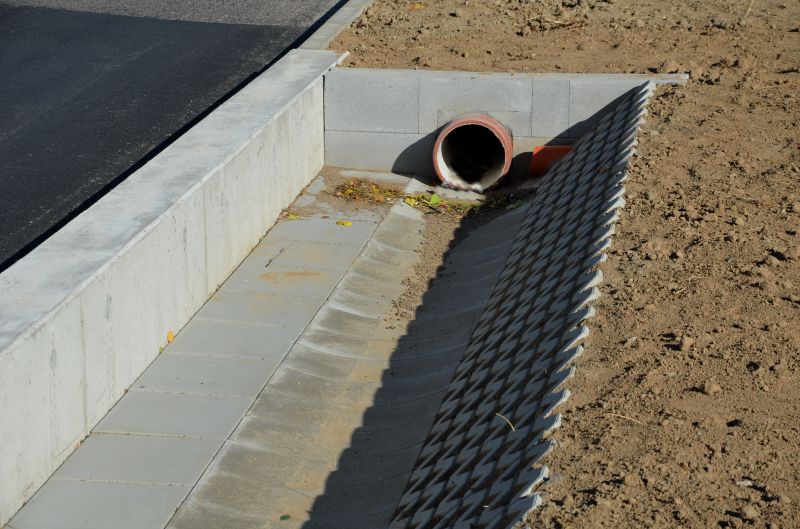
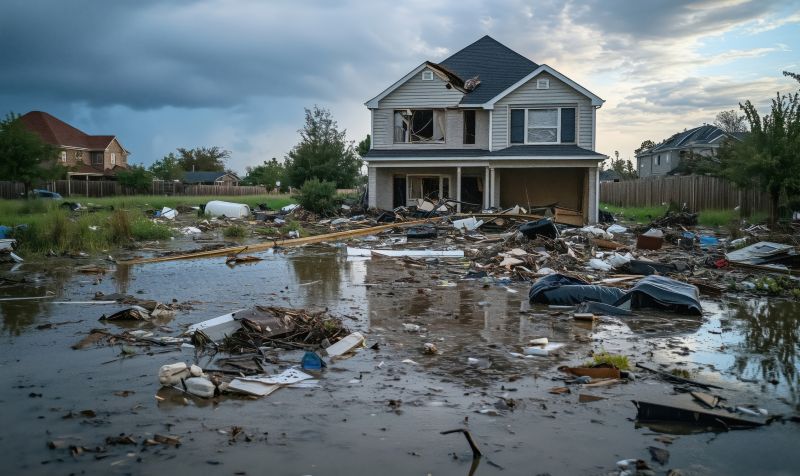
Understanding what to expect during the restoration process is a common concern for homeowners facing storm damage or property issues. When people search for this topic, they are often looking for a clear overview of how the repair and recovery work unfolds after a storm or natural event has impacted their property. This includes information about the typical steps involved, the timeline, and what kinds of disruptions or activities might occur during the project. Homeowners want to know how the process will progress, what phases are involved, and how local contractors or service providers will coordinate the work to restore their property efficiently and thoroughly.
The restoration process is closely related to problems caused by severe weather, such as wind, hail, heavy rain, or flooding. Many plans involve repair or replacement of damaged roofing, siding, windows, and other exterior components. Interior repairs may also be necessary if water intrusion or debris has affected the home’s structure or contents. Homeowners often seek guidance on how to navigate insurance claims, prepare for repairs, and understand what types of damage are typically addressed during restoration. Local storm restoration contractors play a key role in assessing damage, developing repair plans, and executing the work to bring properties back to their pre-storm condition.
Properties that typically come up in restoration projects include single-family homes, multi-family residences, and small commercial buildings. Residential properties are often the primary focus, especially those that experience roof or siding damage, water intrusion, or structural issues due to storms. The size and scope of the project can vary widely depending on the extent of the damage, but the goal remains the same: to restore the property’s safety, integrity, and appearance. Local service providers are experienced in handling a variety of property types, ensuring that each project is tailored to meet the specific needs of the structure and the homeowner’s expectations.
During the restoration process, homeowners can generally expect a series of phases, starting with damage assessment and planning, followed by repair work and final inspections. The process often involves coordination among different types of local contractors, such as roofers, carpenters, and water damage specialists. Homeowners should be prepared for some level of disruption, including noise, debris, and temporary closures of certain areas. Understanding what to expect during the restoration process helps homeowners stay informed and involved, making it easier to work with local service providers who are experienced in managing storm recovery projects efficiently and effectively.
Water Damage Repair - professionals in water damage repair utilize similar assessment and drying techniques as storm restoration to prevent mold growth and structural issues.
Roofing Services - roofing contractors handle damage assessment and repairs that are often part of the storm restoration process, especially after severe weather events.
Siding Replacement - siding specialists work on restoring exterior surfaces, requiring planning and skills comparable to those used during storm damage restoration.
Fire Damage Restoration - fire damage restoration involves cleaning and rebuilding, similar to storm restoration tasks that address structural and cosmetic repairs.
Mold Remediation - mold remediation experts deal with moisture-related issues that frequently arise during storm damage recovery efforts.
Insulation Installation - insulation installers are involved in restoring indoor environments, often working alongside storm damage repair projects to improve energy efficiency and comfort.
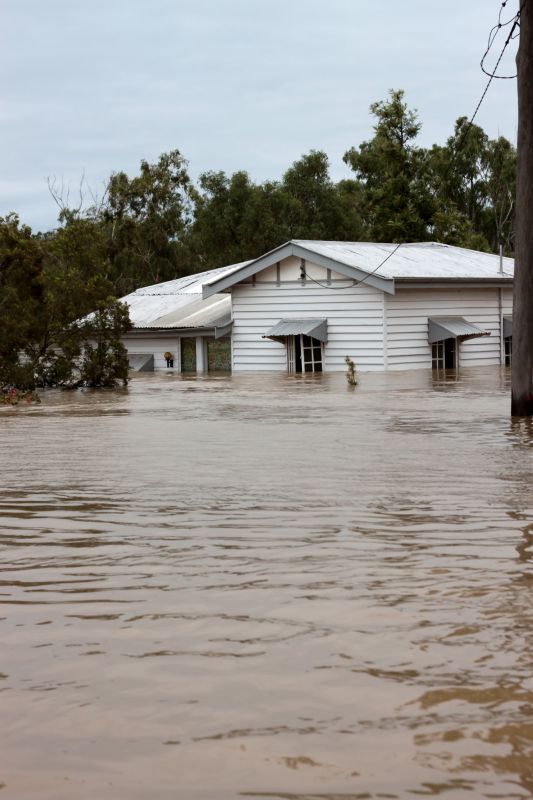
When comparing service providers for storm restoration, it is important to consider their experience with similar projects. Homeowners should look for local contractors who have a proven track record of handling storm-related damage and restoration work comparable to their situation. An experienced provider is more likely to understand the complexities involved in the process, anticipate potential challenges, and deliver a smoother experience. Gathering information about their past projects can help homeowners gauge whether a contractor has the relevant expertise needed to manage the specific aspects of storm restoration effectively.
Clear, written expectations are essential when choosing a local contractor for storm restoration services. A reputable service provider will provide detailed documentation outlining the scope of work, steps involved in the restoration process, and what homeowners can expect at each stage. This transparency helps to prevent misunderstandings and ensures that everyone is aligned on project goals. Homeowners should look for providers who prioritize clear communication and offer thorough, written explanations of the work plan, so they can feel confident about what the restoration process will entail.
Reputable references and good communication are key factors in selecting a reliable local contractor. Homeowners can ask for references from previous clients who experienced similar restoration projects to gain insight into the contractor’s reliability, professionalism, and quality of work. Additionally, effective communication throughout the process-such as timely updates, responsiveness to questions, and clarity in explaining procedures-can significantly impact the overall experience. Choosing a service provider known for transparent, consistent communication helps ensure that homeowners stay informed and comfortable throughout the restoration process.
Property owners often search for what to expect during the restoration process when they are planning practical projects around their homes and businesses. Local pros provide Storm Restoration services for everyday jobs and straightforward project options.
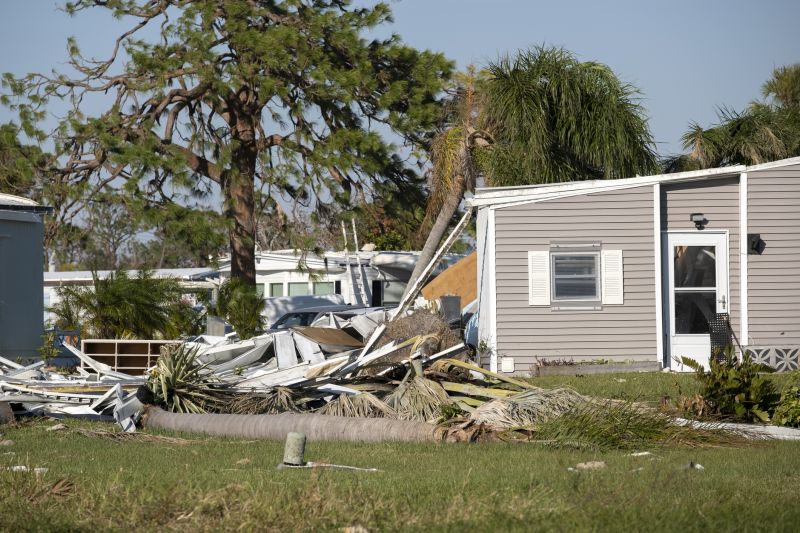

During the storm restoration process, property owners can typically expect a series of coordinated steps carried out by experienced local contractors. Initially, a thorough assessment of the damage is performed to determine the extent of repairs needed. This often involves inspecting roofing, siding, windows, and other affected areas to identify issues that may not be immediately visible. Once the assessment is complete, the restoration team will develop a plan to address the damage, which might include debris removal, structural repairs, and weatherproofing measures to protect the property from further harm.
Throughout the restoration, property owners should anticipate periods of active work, which may include temporary protective measures like tarping or boarding up openings, followed by more extensive repairs. Local service providers aim to work efficiently while maintaining quality standards, ensuring that repairs are durable and effective. Clear communication with the restoration team can help property owners understand what is happening at each stage, providing peace of mind during what can be a stressful time. Engaging with experienced local contractors can make the process smoother and help restore the property to its pre-storm condition.
What is the typical process during storm restoration? Local service providers usually start with an assessment of the damage, followed by necessary repairs or replacements of damaged materials, and then finalize with cleanup and restoration to return the property to its pre-storm condition.
How do local contractors handle water and roof damage? They typically perform inspections to identify affected areas, then carry out repairs such as roof patching, water extraction, and drying to prevent further issues, ensuring the property is properly restored.
What should I expect during debris removal and cleanup? After the initial repair work, local pros will clear away debris, perform detailed cleaning, and ensure the property is safe and ready for occupancy or use again.
Are there any additional steps involved in the restoration process? Yes, some providers include mold remediation, structural repairs, and follow-up inspections to confirm that all storm-related damage has been addressed thoroughly.
How do local service providers ensure the restoration work meets standards? They follow industry best practices, use quality materials, and perform inspections throughout the process to ensure the property is properly restored after storm damage.
Assessment and Inspection - Local contractors will evaluate the property to identify storm damage and determine the scope of restoration needed.
Damage Documentation - Service providers document affected areas to ensure thorough repairs and help with insurance claims.
Restoration Planning - Professionals develop a plan that addresses immediate repairs and long-term protection measures for the property.
Execution of Repairs - Skilled tradespeople carry out necessary repairs, such as roof, siding, or window replacements, to restore the property’s integrity.
If you are thinking about what to expect during the restoration process for a property, this guide is meant to help you understand this topic, the typical project types, and how different options might fit your plans.
When you are ready, you can use the quote form on this page to share a few details about your project. From there, local pros can review the basics and follow up with options that match what you have in mind.